
Every region of Poland is famous for its delicious dishes, which reflect not only the locally available ingredients, but above all the history and culture of the place. So a visit to Poland is also about discovering traditional Polish dishes, where regional specialities take us deep into traditions, flavours and unique culinary experiences that remain in the memory for a long time. When visiting Poland, it is worth looking out for hotels which, in addition to accommodation, also offer Polish cuisine based on local delicacies.
Podhale Tatra Mountains Oscypek Cheese
Best known for its production of oscypek – the famous smoked sheep’s cheese with a slightly salty taste and unique aroma is a symbol of highlander tradition and one of the most recognisable regional products in Poland. Oscypek is included on the list of products with a protected designation of origin, which emphasises its uniqueness and cultural significance. Other specialities from the Podhale region include moskole – potato flour pancakes – and kwaśnica, a soup based on sauerkraut and meat.

Wielkopolska Potato Poland
Known as ‘Potato Poland’, Wielkopolska prides itself on its potato-based dishes. A classic dish is pyra z gzikiem, which is a jacket potato served with cottage cheese and cream, seasoned with onions and chives. Another regional speciality is szare kluchy, or potato dumplings served with cabbage and bacon. Traditional dishes from Wielkopolska reflect the simplicity and modesty that have dominated the region’s cuisine over the centuries.
Kaszuby Lake District Marinated Herring
A region abundant in lakes and thus Kashubian cuisine, which combines maritime and land influences, making it extremely diverse and rich in flavours. Kashubian herring, marinated in vinegar with onions, is one of the best-known specialities. It is also worth trying the fish soup made from local fish and the Kashubian yeast cake with fruit, which is an integral part of regional celebrations.
Małopolska and Kremówki
A region with a rich history connected to the former Galicia, is known for such traditional Polish dishes as kremówki papieskie from Wadowice, which were eaten by Pope John Paul II himself. Kremówki consists of two layers of delicate, buttery puff pastry filled with a rich, creamy vanilla custard.
Lublin and Dumplings
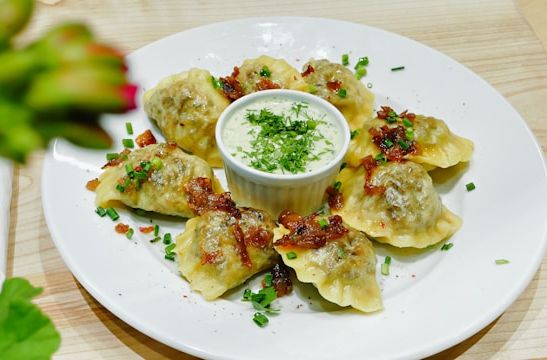
Lublin dumplings, stuffed with buckwheat groats and cheese, or forszmak – a stew made of meat, vegetables and pickled cucumbers. Lublin cuisine is also known for its cakes, such as cebularz.
Silesia Beef and Dumplings
Cuisine in Śląsk is one of the most distinctive in Poland. Typical dishes include beef roulades served with Silesian dumplings (potato dumplings) and red cabbage. Also popular in Silesia are fish dishes, especially carp, and soups such as Silesian sour soup, cooked with sourdough made from rye flour. Silesian cuisine is filling and rich, reflecting the hard work of the miners and the caloric needs of the region.
Warmia & Masuria Lake District Fish & Game
Known as the ‘Land of a Thousand Lakes’, are a paradise for fish and game lovers. Popular traditional Polish dishes include smoked whitefish, stuffed pike and fish soup. The region’s cuisine is also dominated by game dishes such as wild boar roast or hare pate. The region is also famous for its meads and regional liqueurs.
Pomerania is a coastal region where fish dishes, especially Baltic herring and flounder, reign supreme. Kashubia, which is part of Pomerania, also has a rich culinary tradition as mentioned earlier, but it is worth adding that preserves made from berries, mushrooms and local baked goods such as yeast crumble are also popular here.
Kujawy Cabbage Soup
A region known for its production of honey and traditional czernina – a soup based on duck or goose blood, served with noodles or potatoes. Other specialities include sauerkraut cabbage soup and a variety of meat dishes, such as duck with apples.


Podlasie Kartacze
A region where popular dishes include kartacze, or large potato dumplings stuffed with meat, and potato babka. It is also worth trying potato kiszka and sękacz – a traditional cake baked over an open fire, which is popular both in Podlasie and the Baltic countries.
Suwalszczyzna, known for its beautiful lakes and dense forests, offers dishes based on freshwater fish, such as whitefish or bream. Potato dishes, such as kartacze, are also popular here, as are various types of cured meats and meats, especially venison. The region is also famous for its meads and a liqueur called Piołunówka.
Łódź Potatoes & Beans
The cuisine of the Lodz region is simple and based on potatoes and legumes. Pyzy, potato dumplings stuffed with meat, are one of the most characteristic dishes. Also popular are zalewajka, a soup based on sour soup with potatoes and mushrooms, and mushroom soup.
Lubuskie Grapes
A region where the tradition of grapevine cultivation and wine production thrives. Specialities of the region include a variety of traditional Polish dishes based on local products, such as game dishes and soups, but special attention is drawn to local wines, including white and red wines produced from grapes grown on the region’s gentle hills.
Mazowsze & Warsaw
Mazovia, which includes Warsaw and its surroundings, has a rich culinary tradition associated with both urban and rural cuisine. Characteristic dishes include tripe in the Warsaw style, duck with apples and various types of pate. Wrapped scions and red borscht, often served with ravioli, are also popular.
Opolszczyzna
The Opole region is a region where one of the regional specialities is beef roulade served with Silesian dumplings and red cabbage. Other popular dishes include carp po opolku, noodles with poppy seeds and cheesecakes, which are popular all over Poland, but in the Opole region they are prepared with local additives.
Traditional Polish Dishes Summary
Regional food in Poland is a wealth of flavours worth discovering and cherishing. Each region offers unique traditional Polish dishes that are not only an expression of local traditions, but also a testimony to the history and cultural diversity of our country. Thanks to regional specialities, we can not only learn about the history and culture of the country, but above all enjoy traditional Polish dishes. See also our article about traditional Christmas food in Poland.
Photo Credits
Photo by Eugen Kucheruk on Unsplash | Photo by Alexander Mils on Unsplash | Photo by Dan Dennis on Unsplash